Empowerment is central to the NEF project. But for social workers, the important question is not only how empowerment is defined. It is how to recognise it and support it in everyday practice.
One way to look at this is through the role a person has within a social service: Is the person mainly receiving support and participating in activities designed by others? Or are there real opportunities to contribute, take responsibility and use their own abilities?
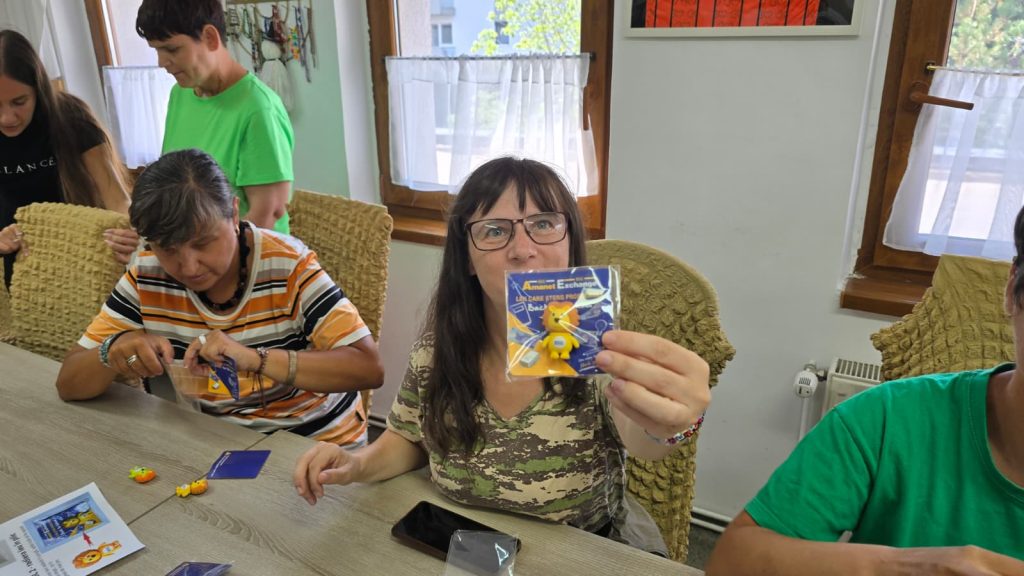
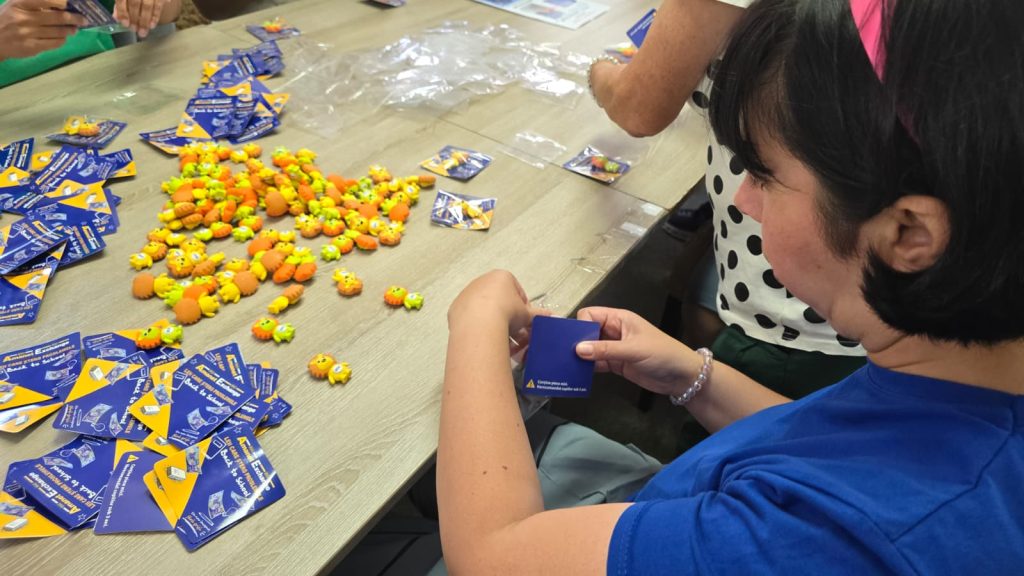
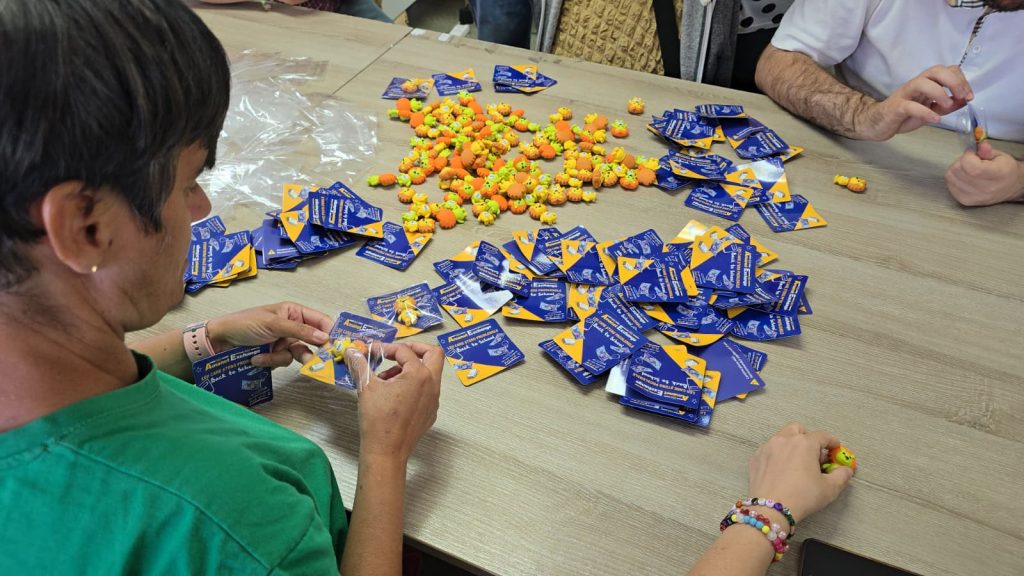
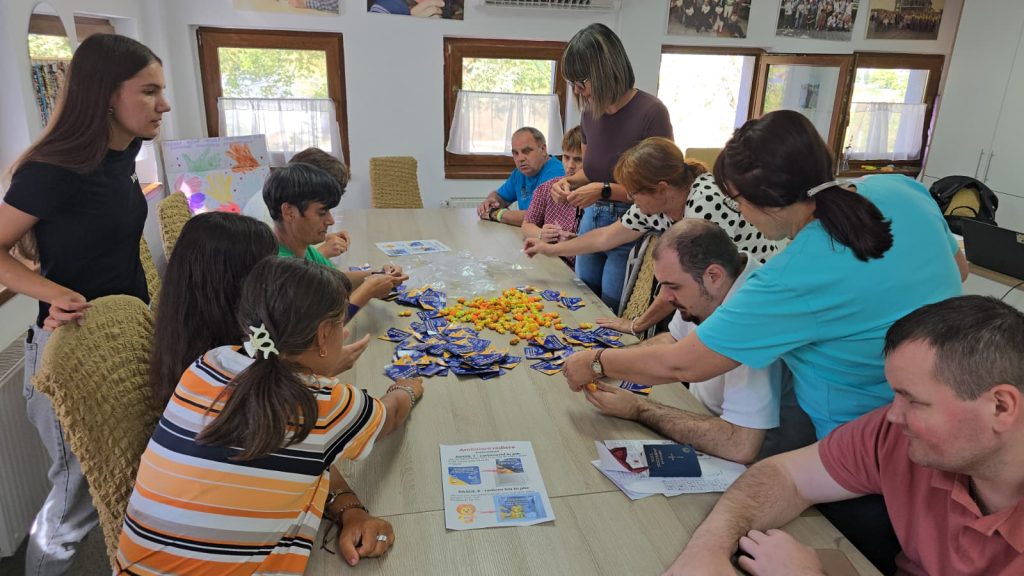
At the ASSOC Day Centre, beneficiaries are regularly involved in practical activities developed through ongoing partnerships with the local community. Recently, for example, they prepared small items that will reach children in the community. This is only one of many such activities. The broader objective is to help beneficiaries develop practical and social skills that can support their inclusion in society and improve their opportunities to participate in the labour market.
The example illustrates an important principle: participation becomes more meaningful when people are given opportunities to contribute, not only opportunities to attend.
It also raises a practical question for professionals:
“What can this person do themselves, and what support is actually necessary?”
Doing something for a person may be quicker. Supporting them to do as much as possible independently may require more time and adaptation, but it creates opportunities to use their abilities, take responsibility and develop autonomy.
This is the perspective NEF seeks to bring into professional learning: moving empowerment from an abstract concept into everyday professional decisions. Sometimes, a small change in how support is provided can help a person become more active, more independent and better prepared to participate in both community life and the labour market.